Boxes at the Door: What a Mid-Rise Package Room Says About Management
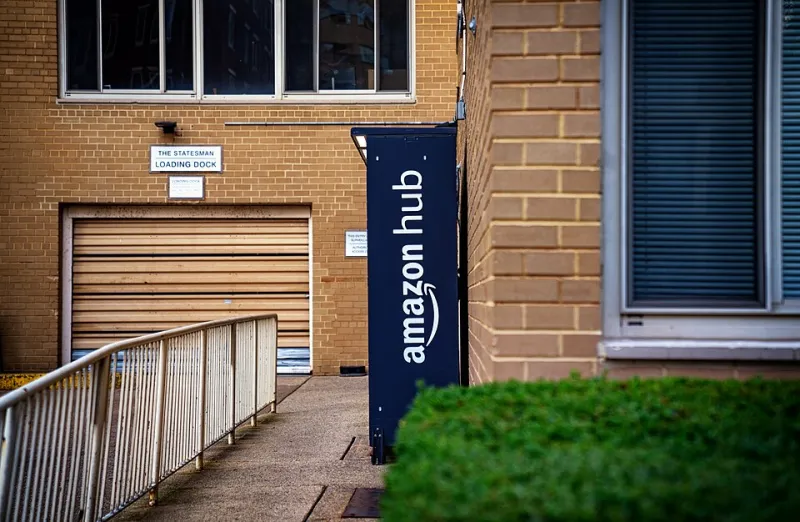
Photo: Tony Webster, CC BY 2.0, via Wikimedia Commons
The package room is rarely the reason a buyer chooses a mid-rise home. It is also one of the most reliable places to learn how the building actually operates. Delivery logistics sit at the intersection of security, staffing, access control, and responsiveness. A well-run package room prevents theft, protects residents' time, and keeps the lobby from becoming a sorting facility. A poorly run one produces exactly the opposite: missed deliveries, clutter, and a front desk that is always apologizing.
For a buyer, the package room is a proxy. It is a small, observable system that reflects the larger management culture. The question is not whether the room looks tidy on a Tuesday afternoon in a staged tour. The question is what happens on a rainy Saturday in December when three carriers arrive at once and the lockers are full.
The Unglamorous Proxy
Amenity spaces are designed to impress. Package rooms are designed to function. That makes them useful to a skeptical buyer. A building can hide weak management behind a beautiful roof deck for a while. It is much harder to hide it behind a package room that has no overflow plan, no camera coverage, and no clear procedure for oversized items.
When evaluating a mid-rise property, treat the package room as a test of operational maturity. Look at the space, ask about the process, and listen for the assumptions behind the answers. The details reveal whether the building is managed by people who have thought through daily life or by people who are reacting to it.
Four Systems to Inspect
A package operation has four basic systems: access, storage, monitoring, and overflow. Each can be evaluated in a short tour.
Access concerns who can enter the room and how. Smart lockers with one-time codes are different from an unlocked room with shelves. A concierge desk that receives packages is different from a system that depends entirely on carriers.
Storage concerns capacity. How many lockers or shelves exist? Are there separate compartments for oversized boxes? Is there refrigeration for perishables, or at least a policy for them?
Monitoring concerns cameras, logs, and chain of custody. Are cameras positioned to cover the entry, the locker bank, and the overflow area? Who reviews footage, and how long is it retained?
Overflow concerns what happens when the system reaches capacity. A good answer is specific: a designated area, a notification process, a staff procedure, and a clear policy for unclaimed items.
Smart Lockers and Access Control
Smart lockers are a strong signal when they are properly sized and integrated with the building's access system. Residents should receive a notification, retrieve the package with a unique code, and have a clear path to support if the locker fails. The system should also accommodate carriers who may not be familiar with the property.
Access control is equally important. If the room is open to anyone who can enter the lobby, the building is relying on good intentions. If the room requires a resident credential, the system is at least attempting to control access. The best arrangement combines restricted entry, camera coverage, and a process for couriers who need staff assistance.
Concierge Hours and Staffing
The package room does not operate in isolation. It depends on staffing. Ask whether the front desk is staffed during advertised hours, whether weekend coverage exists, and who handles deliveries after hours. A building that advertises a concierge but leaves the desk unstaffed on Sundays is not necessarily unsafe, but it is revealing.
Staffing also affects responsiveness. A concierge who knows the package process can resolve a misdelivery quickly. A rotating cast of unfamiliar staff may not. During a tour, observe whether the front desk appears organized. A clean desk with a package log, a carrier schedule, and a visible procedure is a better sign than a friendly smile and a stack of unlabeled boxes.
Cameras and Chain of Custody
Camera coverage is not a substitute for management, but it is a useful indicator. Look for cameras at the entry, the locker bank, and the overflow area. Ask who monitors them, whether footage is retained, and how a resident can request a review after a missing package.
Chain of custody matters as well. A package that is received by staff, logged, and stored in a secure area is easier to trace than one left on a bench. The best systems create a record without creating friction. The worst systems create neither.
Overflow Policy
The overflow policy is where many buildings fail. Holiday volume, weather delays, and large items can overwhelm even a well-designed locker bank. Ask what happens when the lockers are full. Is there a designated overflow room? Are residents notified? Is there a time limit for pickup? Are oversized items stored separately?
A vague answer here is a red flag. It suggests the building has planned for the average week, not the peak week. Peak weeks are exactly when residents need the system to work.
Questions to Ask
Bring a short list of questions to the tour. Who receives packages? What are the hours for pickup? How are perishables handled? What is the policy for oversized items? How long are packages held? Who monitors the cameras? What happens when the room is full? How are residents notified? What is the process for a missing package?
The answers should be specific. If the sales agent defers to the management company, ask for the management company's name and a sample policy. A building that cannot produce a written package policy is unlikely to have a reliable process.
Red Flags to Watch
Several warning signs are visible without asking a single question. Packages piled in the lobby, an unlocked room with no camera coverage, a front desk that is unstaffed during advertised hours, and a locker bank that is visibly too small for the building are all signs of weak operations. So is a room that smells damp, has damaged shelving, or lacks a cleaning schedule.
A single red flag is not a verdict. A pattern is. The package room is useful because it makes the pattern visible. It shows whether the building is managed with foresight or merely marketed with polish.
What Good Looks Like
A good package room is not necessarily large or expensive. It is clear, secure, and staffed by a process. It has enough capacity for ordinary weeks and a plan for extraordinary ones. It gives residents a reliable way to retrieve deliveries and a reliable way to ask for help. It is, in other words, a small demonstration of how the whole building is run.
At Gowra Urban Winds, the package room is treated as part of the daily infrastructure rather than an afterthought. That is the right standard for any mid-rise buyer: judge the unglamorous systems, because they are the ones residents rely on after the tour is over.