Sky-High Living: How Rooftop Gardens Are Redefining the Urban Home Experience

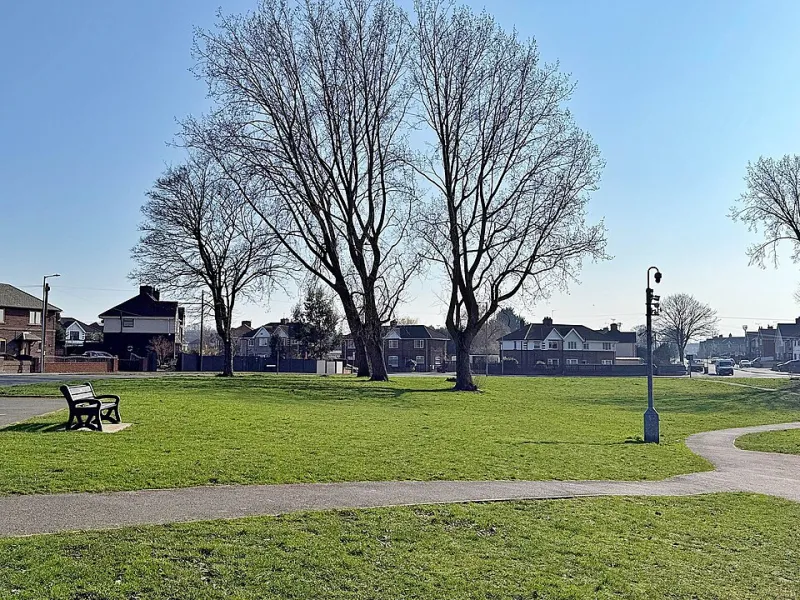
Photo: Sudipvssudip, CC BY-SA 4.0, via Wikimedia Commons
For generations, the idea of a garden conjured images of sprawling suburban backyards, white picket fences, and quiet cul-de-sacs far removed from the energy of city life. That image is changing — and changing rapidly. Across American cities from Chicago to Seattle, Portland to Miami, residential developers are turning their gaze upward, transforming underutilized rooftop spaces into lush, functional, and emotionally resonant extensions of the homes below. At Gowra Urban Winds, this shift is central to how the development was conceived from the ground up.
The Rise of the Elevated Outdoor Space
The rooftop garden movement did not emerge overnight. Urban planners, architects, and environmental designers have spent decades advocating for the integration of green space into dense residential environments. What changed in the past decade was the convergence of several factors: rising urban density, growing awareness of mental health and wellness, advances in lightweight horticultural engineering, and a post-pandemic recalibration of what homebuyers truly value.
According to the American Institute of Architects, outdoor living spaces ranked among the most requested residential features in buyer surveys conducted since 2020. Rooftop amenities, in particular, have seen a surge in demand in urban markets where traditional yard space is simply not available. The appeal is intuitive — elevated green spaces offer residents a sense of openness and tranquility that ground-level urban environments rarely provide.
What was once a premium offered only at the uppermost floors of high-end towers is now being democratized across mid-rise and mixed-use developments throughout the country. Communities that once competed solely on square footage and location are now differentiating themselves through curated rooftop experiences.
Designing for Wellness at Elevation
The benefits of rooftop gardens extend well beyond aesthetics. Researchers at institutions including the University of Exeter and the University of Michigan have documented measurable improvements in mental health, stress reduction, and cognitive function among urban residents who have regular access to green, open-air spaces. When those spaces are elevated — offering panoramic views, natural breezes, and a physical separation from street-level noise — the wellness dividend increases substantially.
From a design perspective, effective rooftop gardens share several key characteristics. First, they incorporate a diversity of plant life, from native grasses and flowering perennials to shade trees and edible herb gardens, creating a sensory environment that changes with the seasons. Second, they are designed with intentional circulation — pathways that invite residents to move through the space rather than simply stand at its edge. Third, they integrate functional seating areas, shaded pergolas, and social gathering nodes that encourage community interaction without sacrificing personal privacy.
Lighting design is equally critical. Rooftop spaces that are well-lit with warm, low-glare fixtures extend usability well into the evening hours, transforming what might otherwise be a daytime amenity into a year-round social destination. Fire features, outdoor kitchens, and weather-resistant furniture further blur the boundary between interior and exterior living.
What Industry Standards Look Like — and Where Gowra Urban Winds Exceeds Them
The baseline expectation for rooftop amenities in contemporary urban developments typically includes a paved terrace, some container plantings, and perhaps a handful of lounge chairs. While such offerings represent a genuine improvement over bare concrete, they fall short of what genuinely enriches residential life at elevation.
Leading developments across the country have begun to set a higher bar. Thoughtfully landscaped rooftop parks with irrigated garden beds, dedicated yoga and fitness decks, community composting programs, and even beehive installations are now appearing in cities like Denver, Nashville, and Washington, D.C. These features signal a shift in how developers understand the relationship between outdoor amenity and long-term resident satisfaction.
At Gowra Urban Winds, the rooftop experience has been designed with that elevated standard in mind. The development's sky-level spaces are conceived not as afterthoughts but as primary living environments — places where residents can begin their morning with an unobstructed view of the horizon, tend to a community garden plot in the afternoon, and gather with neighbors beneath an open sky as the evening settles in. The integration of wind-conscious design — a core element of the Gowra Urban Winds identity — means that airflow through rooftop spaces has been carefully studied and optimized, ensuring that breezes are channeled to create comfort rather than turbulence.
Practical Considerations for Prospective Residents
For buyers evaluating urban properties with rooftop amenities, several practical questions are worth asking. Who manages and maintains the green spaces? What is the homeowners' association policy regarding rooftop access hours and private reservations? Are the plantings selected for local climate resilience, and what irrigation systems are in place to ensure their survival during dry summer months?
At Gowra Urban Winds, these questions have been answered proactively. The development partners with a professional urban horticultural management firm to maintain rooftop plantings year-round, with seasonal rotations that ensure visual interest in every month of the calendar. Residents may reserve designated areas for private gatherings, while shared spaces remain accessible throughout daylight and early evening hours. Native and drought-tolerant plant species have been prioritized, reducing water consumption while supporting local pollinator populations.
The Sky as a Living Room
There is something profoundly human about the desire to stand above the noise of daily life and breathe open air. City living, for all its dynamism and opportunity, has historically asked residents to trade that connection to the natural world for proximity to culture, commerce, and community. Rooftop gardens represent a compelling answer to that trade-off — a way to reclaim the sky without abandoning the city.
At Gowra Urban Winds, where modern living meets the open sky is not merely a tagline. It is an architectural commitment, a design philosophy, and an invitation to experience urban residential life at its most expansive. For those who have long believed that a city address and a genuine connection to nature are mutually exclusive, the rooftops of Gowra Urban Winds offer a persuasive counterargument — one measured not in square footage, but in sunlight, fresh air, and the quiet satisfaction of a garden tended high above the street.