Amenities That Pay Rent: A Buyer’s Audit of Mid-Rise Extras

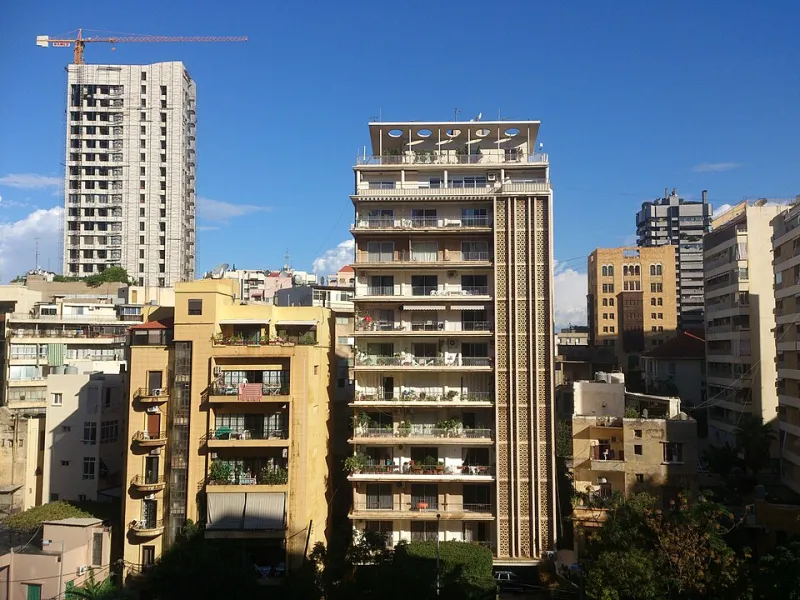
Photo: PattayaPatrol, CC BY-SA 4.0, via Wikimedia Commons
Brochures are optimized for desire, not arithmetic. A rooftop terrace photographed at golden hour can persuade a buyer before the first HOA statement arrives. The useful question is not whether an amenity looks good in a rendering, but whether it earns its line item in the monthly budget. That is the purpose of an amenity audit: a deliberate, slightly skeptical review of what a mid-rise building offers against what residents actually use, what the building actually pays to maintain, and what the market actually rewards at resale.
Start With Usage, Not Wow
Every amenity has two lives. The first is the marketing life, where it appears in a glossy panel beside a glass of wine. The second is the operating life, where it consumes staff time, insurance, utilities, cleaning contracts, and reserve funds. Buyers who compare buildings only on the first life tend to overpay for spaces they will visit a handful of times each year.
A practical audit begins with a blunt question: how often would a typical resident in this building use this space? Not the enthusiast, not the buyer who tours on a Saturday and imagines a new identity, but the person who works, commutes, travels, and does laundry. Frequency separates genuine daily utility from occasional theater.
A Four-Part Score for Every Extra
A simple scoring framework can be applied during a tour without turning it into an accounting exercise. Score each amenity from 1 to 5 on four criteria.
- Frequency: How often will residents realistically use it in an average month?
- Maintenance intensity: Does it require specialized cleaning, equipment service, insurance, or staffing?
- Resale signal: Do local buyers in this price band consistently pay for it, or is it merely nice to mention?
- Substitution: Can residents easily get the same benefit nearby, at home, or through a modest private purchase?
A rooftop dog wash with low frequency, high maintenance intensity, weak resale signal, and easy substitution is not automatically a bad amenity. It is simply a candidate for scrutiny. A package room with high frequency, moderate maintenance, strong resale signal, and no practical substitute is a different story. The scoring does not decide for the buyer; it forces the buyer to see the trade-off.
Roof Decks and Courtyards
Outdoor amenity space usually earns its keep when it is genuinely usable, not merely visible. A roof deck in a climate with long shoulder seasons can function as an extension of the home. A courtyard that is shaded, poorly furnished, or exposed to highway noise may be expensive to maintain and rarely occupied.
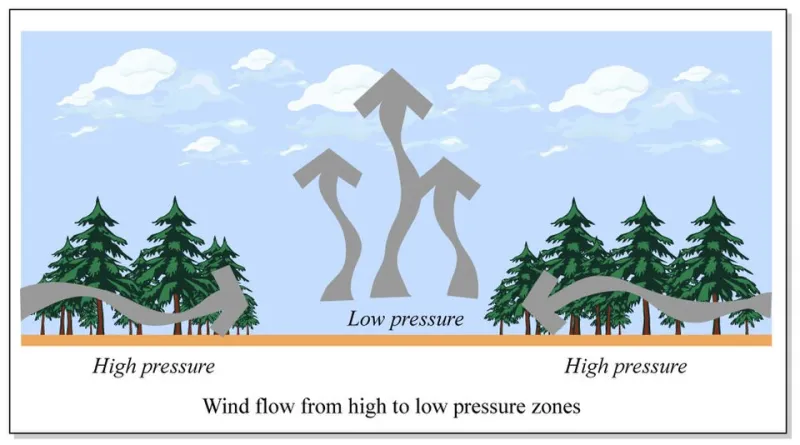
In a wind-corridor development such as Gowra Urban Winds, outdoor amenities have a natural advantage: airflow can make a terrace comfortable on days when a still, enclosed courtyard feels stale. But even good airflow does not rescue a space that lacks seating, shade, lighting, or a clear maintenance plan. Buyers should ask who cleans the deck, how often, and whether the furniture budget is funded by the HOA or by a special assessment.
Fitness Rooms
A gym is among the most frequently promised amenities and among the most variable in quality. A small room with two treadmills and a multi-station machine may serve a building well if residents are realistic about their habits. A larger gym with specialized equipment can become a maintenance liability when the equipment ages and the reserve fund is thin.
During a tour, look beyond the equipment list. Is the room ventilated? Is there a cleaning schedule posted? Are free weights separated from cardio machines? Does the building have a policy for equipment repair? A gym that is clean, modest, and well maintained is usually a better signal than a showroom full of machines that no one services.
Dog Washes, Pet Spas, and Niche Extras
Pet amenities are powerful for a subset of buyers and irrelevant to others. A dog wash can be genuinely useful in a mid-rise building where private outdoor washing space is unavailable. But it also requires drainage, water management, cleaning, and sometimes a booking system. If the room is poorly ventilated or used by only a handful of residents, the cost per use can be high.
The audit question is not whether dogs matter. It is whether the building has priced the amenity for the residents who will actually rely on it. A simple dog-washing station with good drainage and a posted cleaning routine may be more valuable than an elaborate pet spa that becomes a storage closet.
Package Rooms: The Quiet Utility Player
Package rooms rarely appear in lifestyle photography, yet they often carry more daily value than a rooftop lounge. A well-designed package room reduces theft, protects deliveries from weather, and spares the front desk from becoming a sorting facility. It also signals something about management: whether the building has thought through the unglamorous systems that make daily life work.
When auditing a package room, check access control, camera coverage, locker capacity, overflow policy, and hours of availability. A beautiful room with no overflow plan will fail during the holiday season. A modest room with clear procedures will outperform it every December.
Coworking Lounges
Coworking space is often marketed as a remote-work solution, but usage depends on the building's population. A lounge with reliable Wi-Fi, acoustic separation, and comfortable seating can serve residents who work from home occasionally. A pretty table in a lobby with poor lighting and no privacy is a photo opportunity, not a workspace.
Buyers should ask whether the space has bookable rooms, whether calls are permitted, and whether the furniture is designed for long sitting. The best coworking amenity is not the largest one; it is the one that residents can use without feeling as though they are imposing on a lobby.
The HOA Math
Amenities are paid for twice: once in the purchase price and again in the monthly fee. A buyer should ask for the amenity budget, the reserve study, and any history of special assessments. If a building has a long list of amenities but a thin reserve fund, the monthly fee may be understating the true cost of ownership.
A useful rule of thumb is to divide the annual amenity operating cost by the number of units and compare that figure with the buyer's expected use. The result is not a verdict, but it is a conversation starter. It also helps distinguish a building that has made deliberate choices from one that has simply added features to fill a brochure.
A Tour-Day Audit
Bring a simple scorecard. Walk each amenity and note its condition, access rules, and distance from the units. Ask who maintains it, how often, and what happens when it breaks. Look for signs of actual use: worn seating, a cleaning log, a booking sheet, a posted policy. Absence of use is not always a problem, but absence of procedure usually is.
The amenity audit is not an argument against amenities. It is an argument for paying for the ones that improve daily life and for questioning the ones that exist mainly to be photographed. In a mid-rise building, the best extras are the ones that quietly earn their rent.