Before You Sign: How to Read a Neighborhood Like a Seasoned Buyer

Every serious buyer eventually learns the same lesson: the model unit is a performance, and the neighborhood is the truth. A staged living room with designer furniture and afternoon light can flatter almost any address. What it cannot tell you is how the wind moves between the towers at dusk, whether the street below quiets down after nine, or what the block feels like on a Sunday morning when the offices are dark.
The most confident purchases we've observed — across dozens of markets — come from buyers who treat due diligence as a field exercise rather than a paperwork review. Here is the framework they use.
Visit at Three Hours, Not One
A single showing captures a single mood. Residential blocks are chameleons. A street that feels serene at two in the afternoon may transform at five-thirty when the highway crowd cuts through, or at eleven at night when the nearby restaurant's patio is in full voice.
Schedule at least three visits: a weekday morning around seven, a weekday evening between five and seven, and one weekend late morning. Morning tells you about school traffic and delivery trucks. The evening commute reveals parking pressure and shortcut behavior. The weekend visit shows you whether people actually want to be there — café life, dog walkers, families on the sidewalks.
Read the Wind Before You Feel It
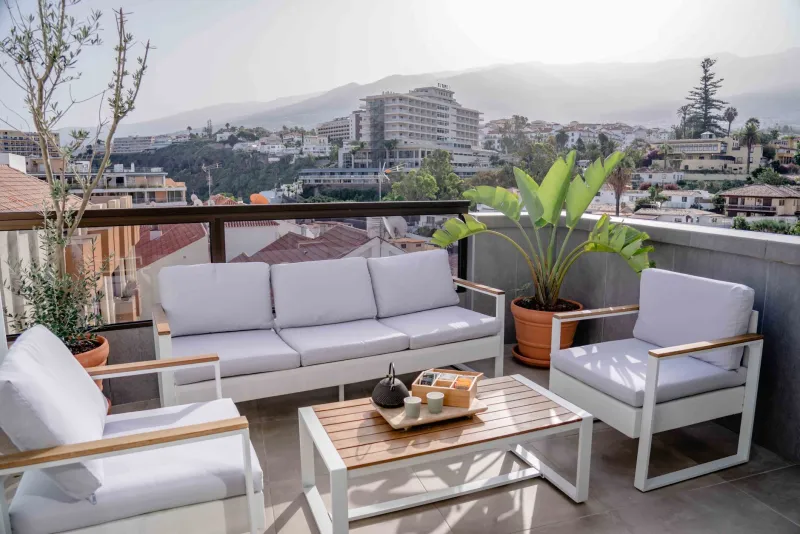
Airflow is one of the most underrated variables in urban real estate, and one of the hardest to assess from a brochure. Buildings channel wind. A gap between two towers can become a wind corridor that either ventilates a courtyard beautifully or turns a ground-floor terrace into a wind tunnel.
Stand in the outdoor common areas and note whether the air moves or stagnates. Stagnant courtyards trap heat in July and hold onto humidity. Thoughtlessly aligned gaps can howl. The best-designed communities — Gowra Urban Winds is a useful example — orient their buildings deliberately so that prevailing breezes pass through shared outdoor spaces rather than around or against them. That's not luck; it's site planning, and you can learn to spot the difference in about ten minutes of standing still.
Listen to the Street, Not Just the Lobby
Developers invest heavily in lobby acoustics. Fewer invest in the sound profile of the surrounding blocks. During your visits, spend five minutes with your eyes closed at the future entrance. Count the noises you can identify: buses, sirens, HVAC units, nightlife, construction.
Then look up. Mid-rise buildings between five and fifteen stories often sit in an acoustic sweet spot — high enough to rise above street-level noise, low enough to avoid the wind shear and mechanical hum that can plague upper floors of taller towers. This is one reason the mid-rise format has quietly gained favor among buyers who work from home and can't tolerate constant interruption.
Walk a Ten-Minute Radius
Draw an imaginary circle around the property and walk it. You're looking for the texture of daily life: a grocery store within reach, green space you'd actually use, a pharmacy, a coffee option that isn't a chain. Note the condition of the sidewalks and street trees — municipalities that maintain them tend to maintain other things too.
Also note the vacancies. One or two empty storefronts are normal. A whole row suggests the micro-neighborhood is in transition, which can mean either opportunity or decline. Talk to a shopkeeper or two. Nobody knows a block better than the people who open it every morning.
Red Flags That Don't Appear in Listings
A few patterns deserve particular scrutiny:
- Construction horizons. Empty lots nearby will eventually be towers. Check municipal planning portals for what's approved — the view from your future balcony may have an expiration date.
- Parking churn. Cars circling at night suggest the neighborhood has more residents than spaces, and that pressure will land on you.
- Weekend noise migration. If a block empties completely on Saturday, ask why. Sometimes the answer (offices) is benign. Sometimes it isn't.
- Single-anchor dependency. If the neighborhood's vitality rests on one employer or one development, its future is less diversified than it appears.
What Good Design Looks Like From the Sidewalk
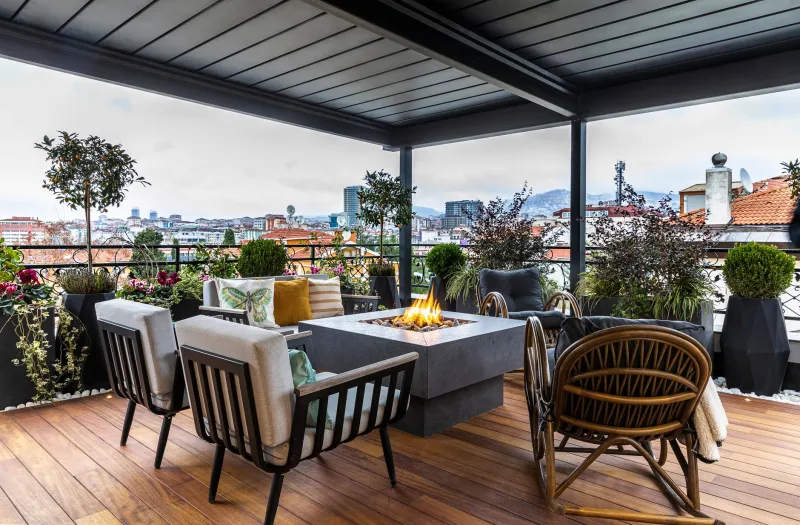
Use every visit as a calibration exercise. At Gowra Urban Winds, for instance, the site orientation was chosen to channel natural airflow through residential floors and shared terraces rather than deflecting it — a choice you can verify by simply standing in the courtyard and feeling whether the air moves. Sightlines were positioned to favor open sky and landscape over the blank walls of neighboring structures. These are the kinds of decisions a buyer can evaluate anywhere, without a broker's vocabulary: Does the outdoor space feel usable? Can you see sky from the windows? Is the air fresh or recycled?
The Deal You're Actually Signing
A purchase agreement covers square footage, financing, and fixtures. But what you're really signing for is ten thousand ordinary moments — the morning light in the kitchen, the evening quiet in the bedroom, the breeze on a summer terrace. Those moments are determined less by the unit than by everything around it.
Do the fieldwork. Visit at odd hours. Feel the wind. Walk the radius. The buyers who do are consistently the ones who, five years later, describe their home with something closer to gratitude than compromise.